Cozumel Dive Sites
An alphabetical guide to the reefs, walls, drifts and hidden places that make Cozumel one of the world's great diving destinations.
Find a Cozumel dive site.
Select a name to move directly to that site's detailed information.
Scheduled reef-rest periods.
Cozumel periodically closes selected reef areas from tourism so coral communities and marine life receive time with reduced diving pressure.
| December and January | Chankanaab Reef; Chankanaab Bolones |
|---|---|
| February and March | Paso del Cedral / Cedral Reef; Cedral Wall; Francesa |
| April and May | Dalila; Palancar Gardens; Palancar Horseshoe |
| June and July | Paradise Reef and Paradise Bajo |
| August and September | Palancar Caves; Palancar Bricks; Columbia Shallows; Colombia Deep |
| October and November | San Francisco; Santa Rosa Wall |
Match the dive to the diver.
Certification is only one part of readiness. Recent experience, buoyancy, comfort in current, gas use, depth awareness, overhead training and the day's conditions all matter. Cozumel is famous for drift diving; do not fight the current or hold the reef. Follow the local guide's briefing, remain with the group and use conservative depth and gas limits.
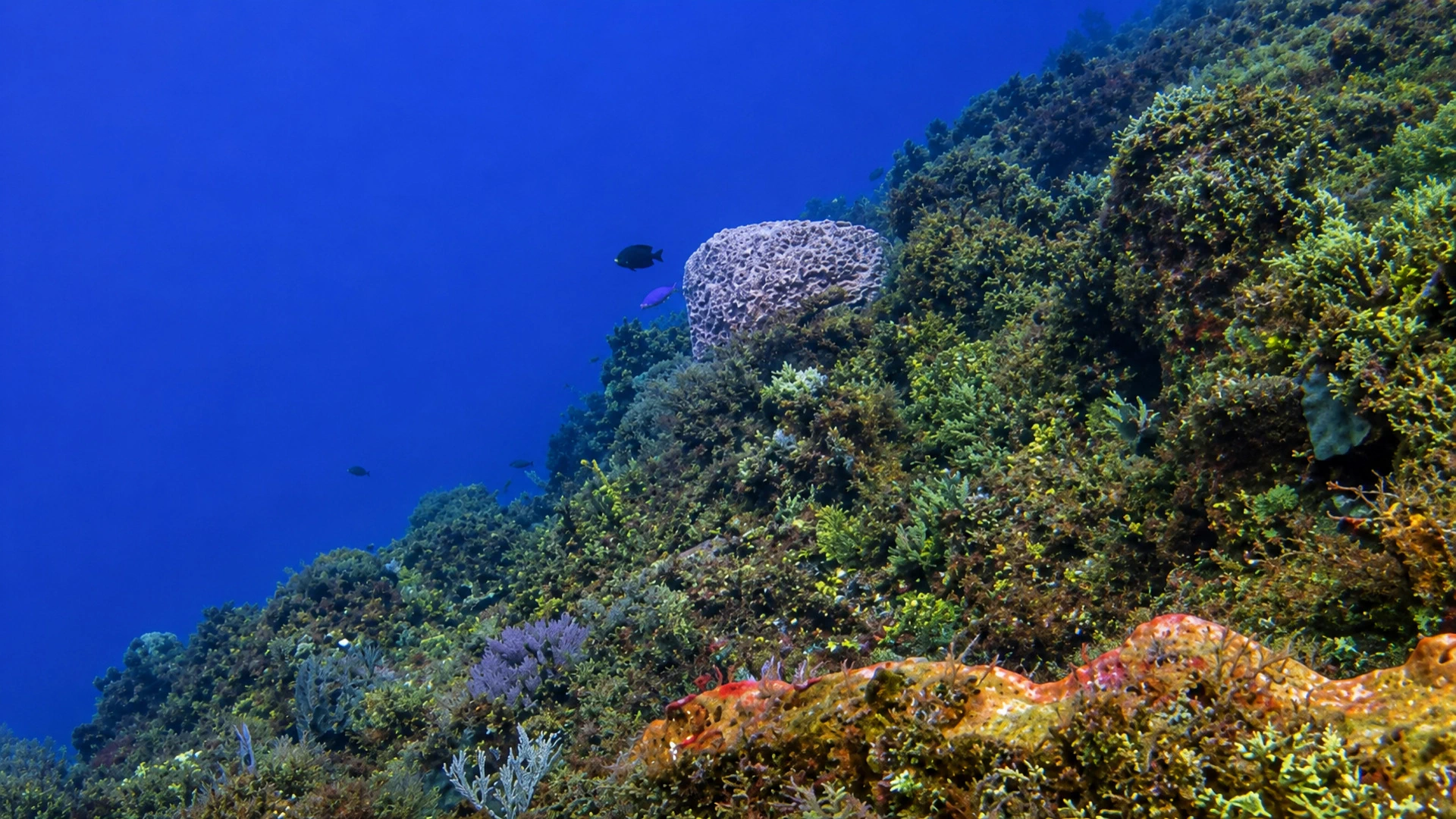
Barracuda Reef
Barracuda is a demanding northern site where the current can be the main feature of the dive. It is best reserved for experienced divers who are comfortable with rapid drift, negative entries when required, depth control and close team awareness.
- Difficulty
- Advanced only
- Typical depth
- 90-120 ft / 27-37 m
- Current
- Often strong, fast and variable; surface chop may occur
- Visibility
- Usually very good, but conditions can change quickly
- Reef type
- Northern wall and drift dive
- Known for
- High-energy diving, large pelagics, dramatic blue water
- Common marine life
- Barracuda, jacks, rays, turtles and occasional larger visitors
- Best suited for
- Very experienced drift divers who enjoy current and open-water scenery.
- Usual reef-rest period
- No regular rest period listed in the published 2026 rotation - verify locally.
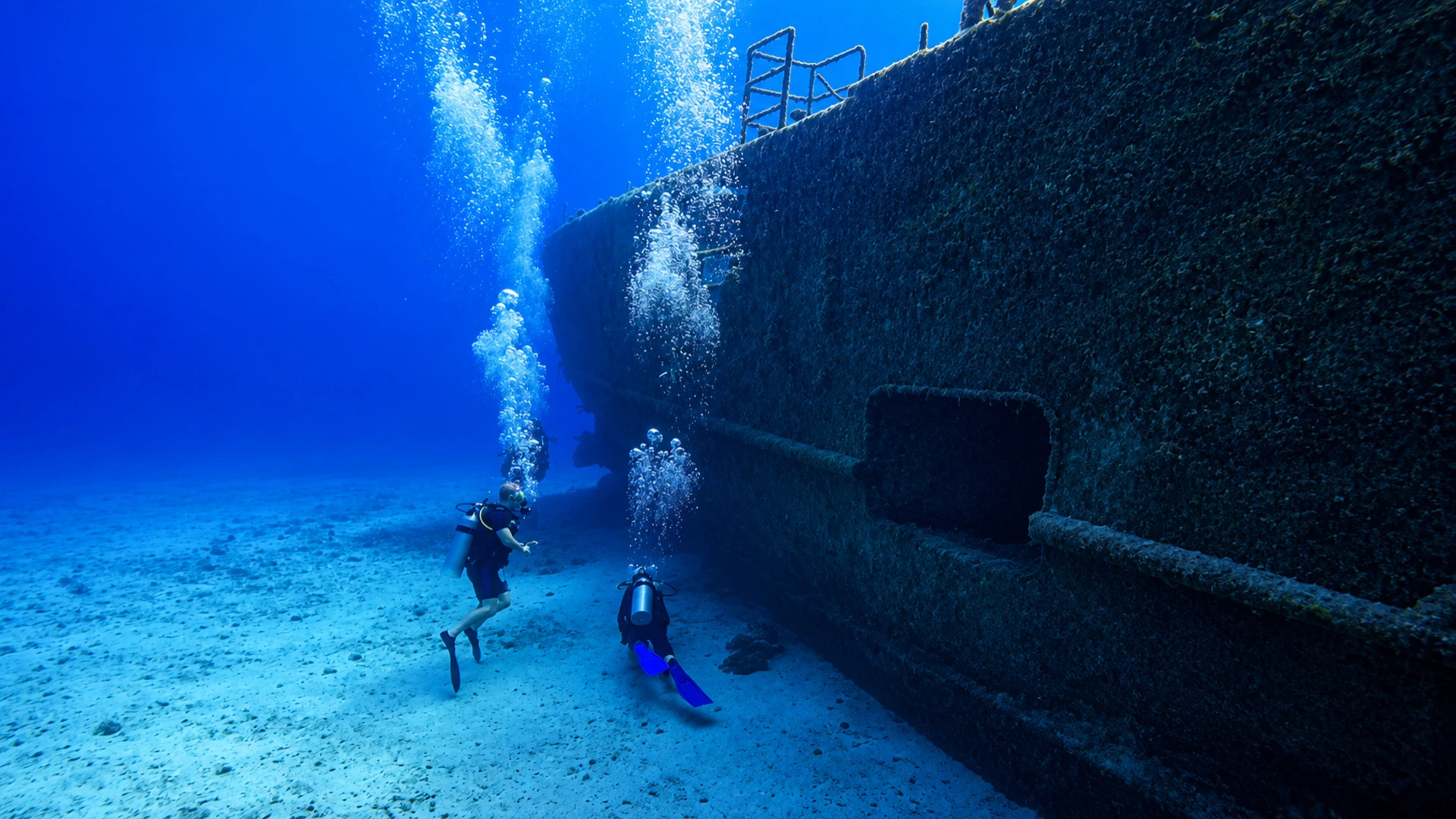
C-53 Felipe Xicotencatl Wreck
The C-53 offers a completely different experience from Cozumel's reefs. The exterior is suitable for many certified divers, while any penetration requires appropriate training, equipment and a qualified guide.
- Difficulty
- Intermediate to Advanced
- Typical depth
- 50-80 ft / 15-24 m
- Current
- Usually mild to moderate; can vary
- Visibility
- Generally good
- Reef type
- Intentionally sunk naval wreck
- Known for
- Large intact wreck, exterior tour and trained penetration routes
- Common marine life
- Schools of fish, barracuda, moray eels and reef growth
- Best suited for
- Divers wanting wreck scenery and a change from coral reef drift diving.
- Usual reef-rest period
- Not listed in the rotating reef-rest schedule - verify locally.
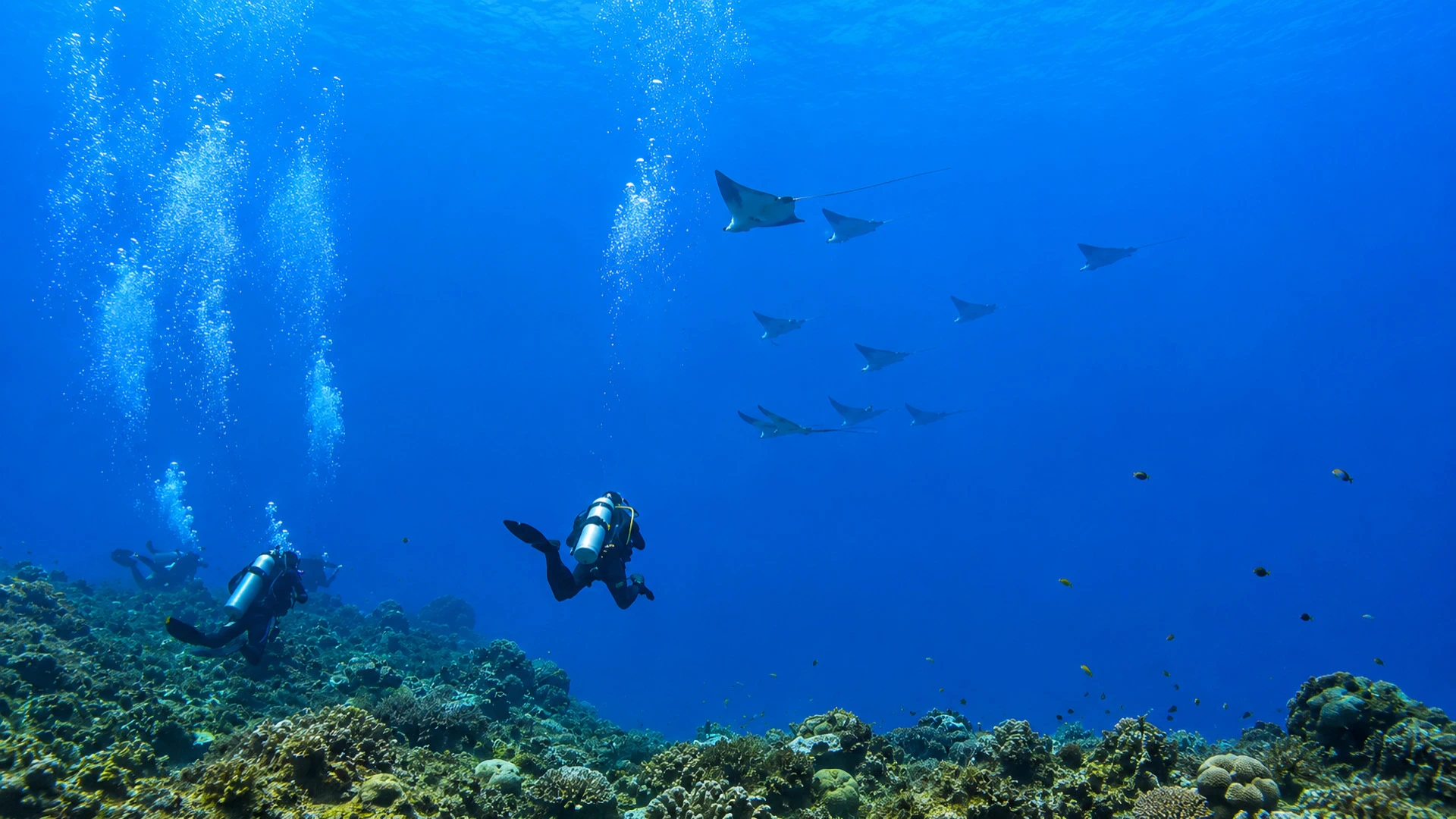
Cantarell Wall
Cantarell is best known for winter eagle ray encounters. Much of the experience involves watching the wall and the open blue at the same time while maintaining careful depth, buoyancy and group position.
- Difficulty
- Advanced
- Typical depth
- 60-100+ ft / 18-30+ m
- Current
- Moderate to strong and sometimes unpredictable
- Visibility
- Often excellent in open blue water
- Reef type
- Northern wall and blue-water drift
- Known for
- Seasonal spotted eagle ray encounters
- Common marine life
- Eagle rays, turtles, jacks and pelagic visitors
- Best suited for
- Experienced divers seeking seasonal eagle ray encounters.
- Usual reef-rest period
- No regular rest period listed in the published 2026 rotation - verify locally.
Chankanaab Bolones
Chankanaab Bolones is a comfortable second-dive site with scattered coral formations and plenty of places to slow down and look for smaller reef life.
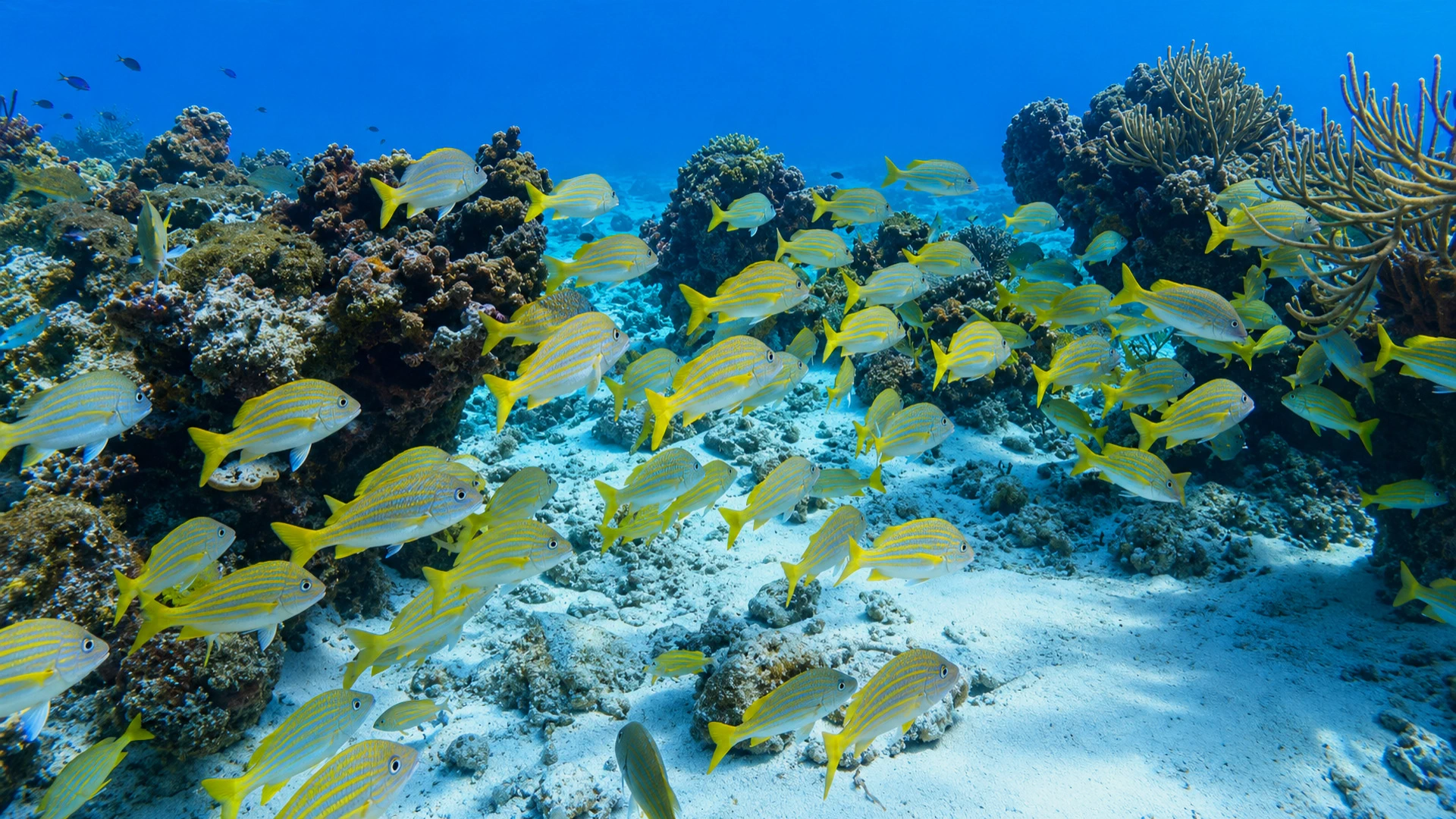
- Difficulty
- Beginner to Intermediate
- Typical depth
- 30-60 ft / 9-18 m
- Current
- Usually mild to moderate
- Visibility
- Good to very good
- Reef type
- Coral heads, sand channels and reef patches
- Known for
- Relaxed reef exploration and photography
- Common marine life
- Reef fish, morays, crustaceans and occasional turtles
- Best suited for
- Newer divers, photographers and relaxed afternoon dives.
- Usual reef-rest period
- Typically resting in December and January under the published 2026 rotation - verify before diving.
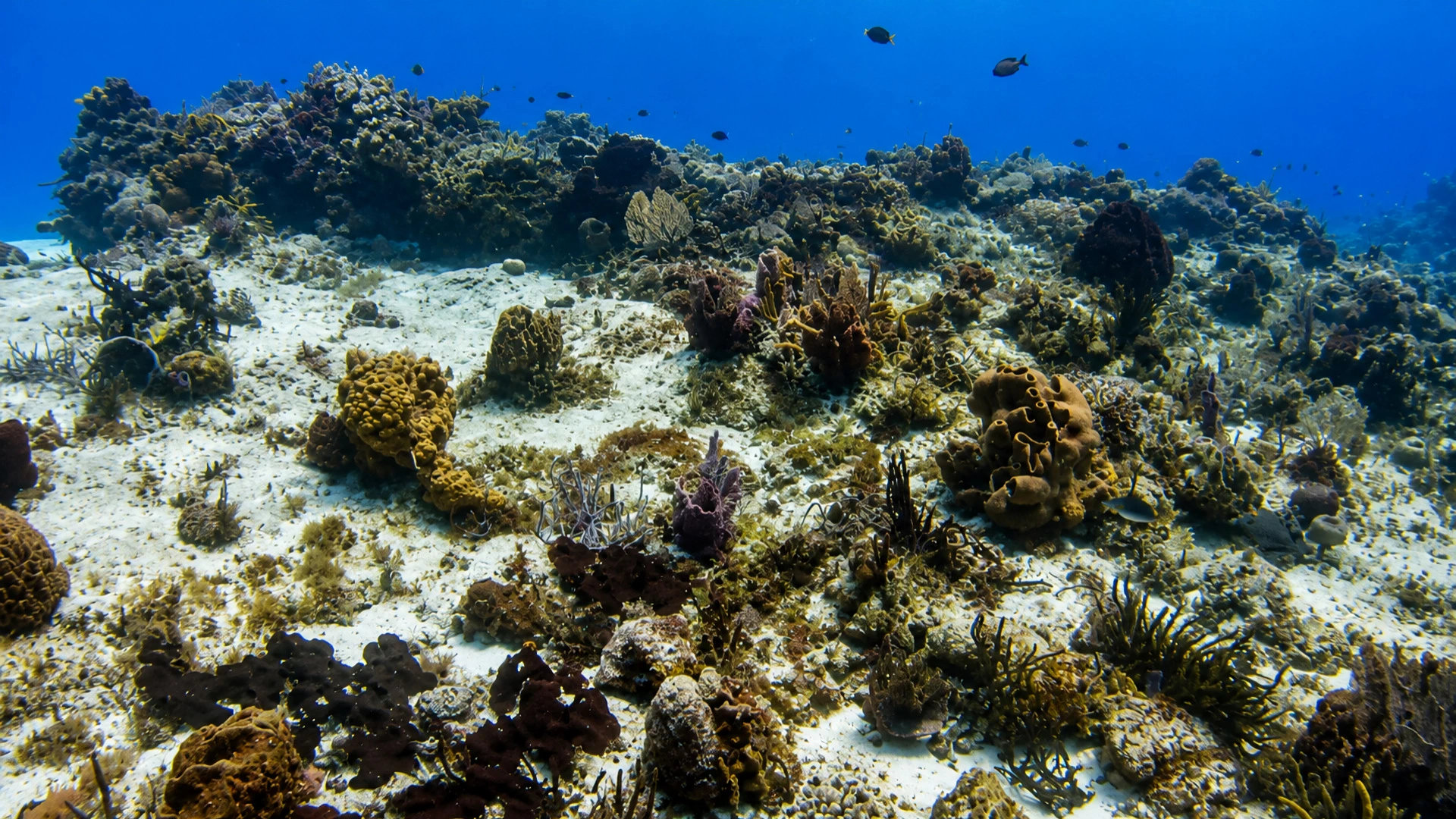
Chankanaab Reef
Chankanaab is a versatile shallow reef that suits training, easy drift dives and careful photography. Its moderate depth allows divers time to inspect ledges and coral heads.
- Difficulty
- Beginner to Intermediate
- Typical depth
- 30-60 ft / 9-18 m
- Current
- Usually mild to moderate
- Visibility
- Good to very good
- Reef type
- Shallow reef, coral heads and sandy areas
- Known for
- Accessible reef scenery and abundant small marine life
- Common marine life
- Tropical fish, moray eels, rays and macro subjects
- Best suited for
- Beginners, refresher dives and photographers looking for reef details.
- Usual reef-rest period
- Typically resting in December and January under the published 2026 rotation - verify before diving.
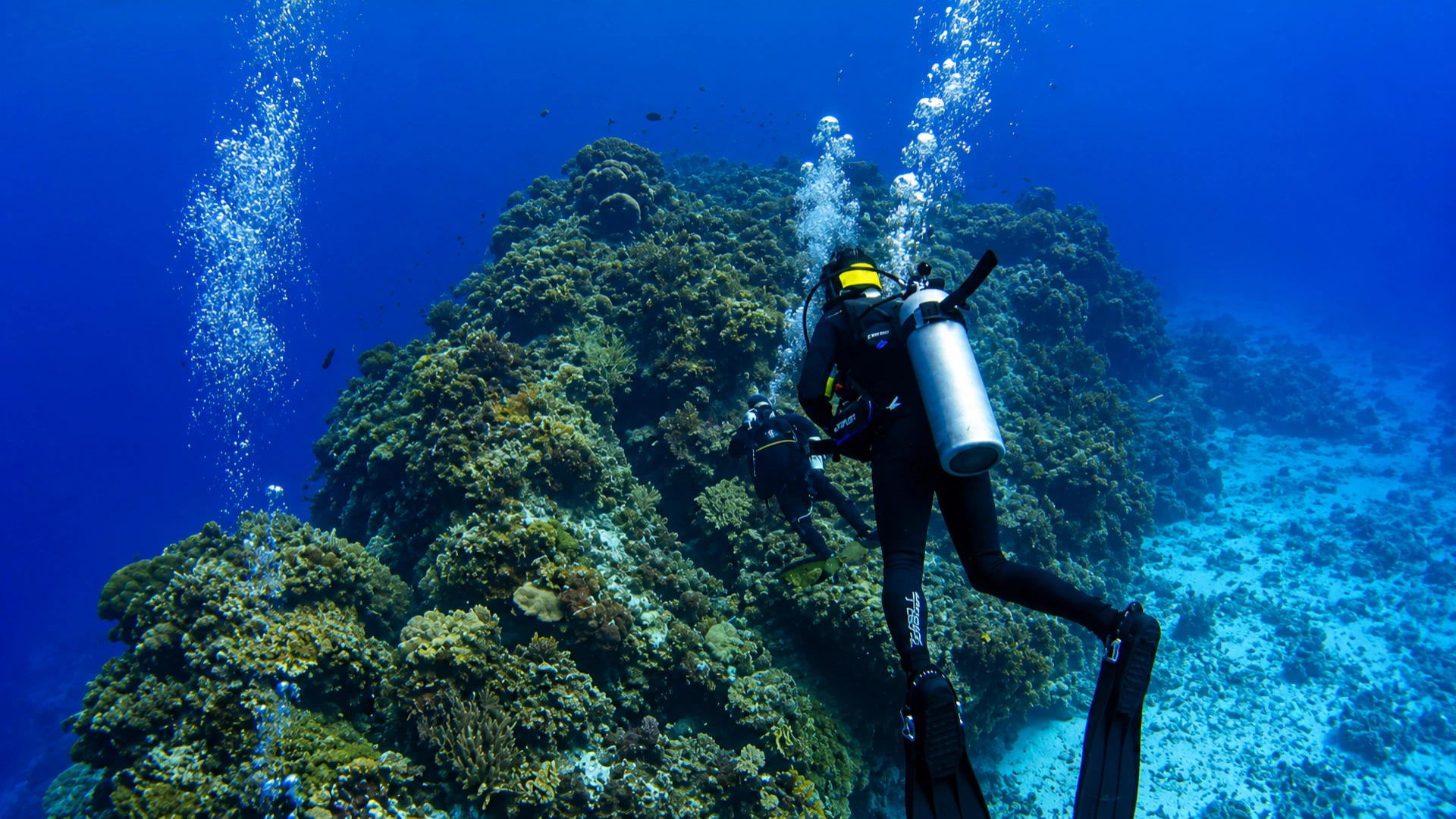
Colombia Deep
Colombia Deep is one of Cozumel's grandest dives. Large coral structures, deep passages and the edge of the wall create a sense of scale that rewards strong buoyancy and disciplined depth management.
- Difficulty
- Advanced
- Typical depth
- 70-130 ft / 21-40 m
- Current
- Mild to strong depending on route and day
- Visibility
- Often excellent
- Reef type
- Deep wall, pinnacles and large swim-throughs
- Known for
- Massive formations, dramatic scale and blue-water views
- Common marine life
- Turtles, sharks, eagle rays, large groupers and pelagic fish
- Best suited for
- Advanced divers comfortable with depth, current and large formations.
- Usual reef-rest period
- Typically resting in August and September under the published 2026 rotation - verify before diving.
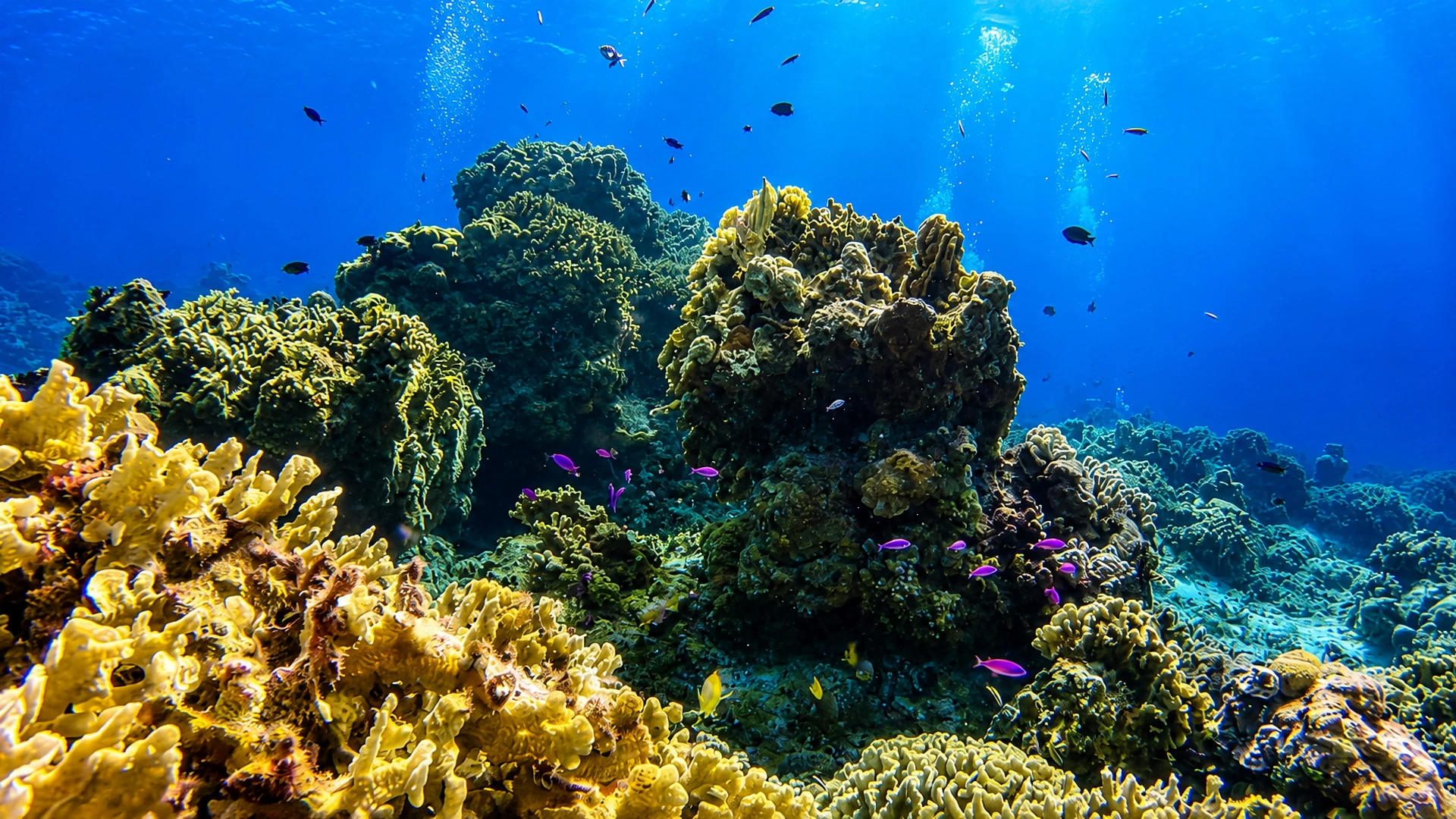
Columbia Shallows
Columbia Shallows is a popular second dive after Colombia Deep. Its shallow profile is easier on the body after a deeper first dive, while bright sunlight, healthy coral growth and abundant fish make the reef feel anything but ordinary.
- Difficulty
- Beginner to Intermediate
- Typical depth
- 30-50 ft / 10-15 m
- Current
- Usually gentle to moderate
- Visibility
- Often excellent
- Reef type
- Shallow coral gardens, sand channels and patch reef
- Known for
- A relaxed second dive after Colombia Deep, healthy shallow coral and abundant fish life
- Common marine life
- Turtles, angelfish, barracuda, moray eels, octopuses, groupers, nurse sharks, rays and dense schools of reef fish
- Best suited for
- Beginners, photographers and divers wanting an easy, colorful second dive after a deeper profile.
- Usual reef-rest period
- Typically resting in August and September under the published 2026 rotation - verify before diving.
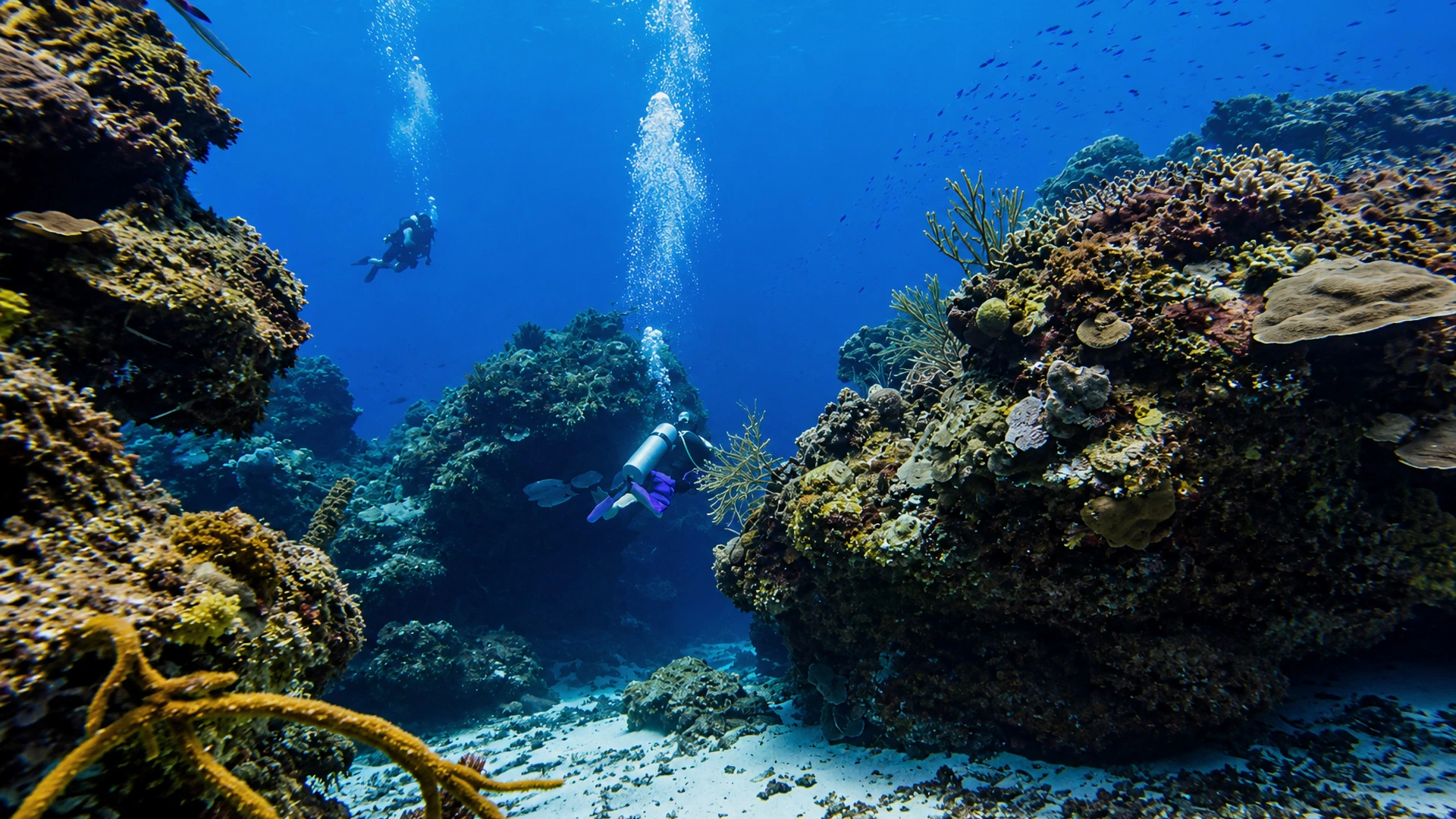
Dalila Reef
Dalila is a comfortable mid-depth reef with enough structure to hold abundant marine life without feeling overly demanding. It is often a rewarding second dive.
- Difficulty
- Beginner to Intermediate
- Typical depth
- 35-65 ft / 11-20 m
- Current
- Mild to moderate
- Visibility
- Good to excellent
- Reef type
- Low-profile reef, coral ridges and sand channels
- Known for
- Colorful, easy-going drift diving
- Common marine life
- Angelfish, turtles, morays, nurse sharks and schooling fish
- Best suited for
- Beginner and intermediate divers, photographers and mixed-experience groups.
- Usual reef-rest period
- Typically resting in April and May under the published 2026 rotation - verify before diving.
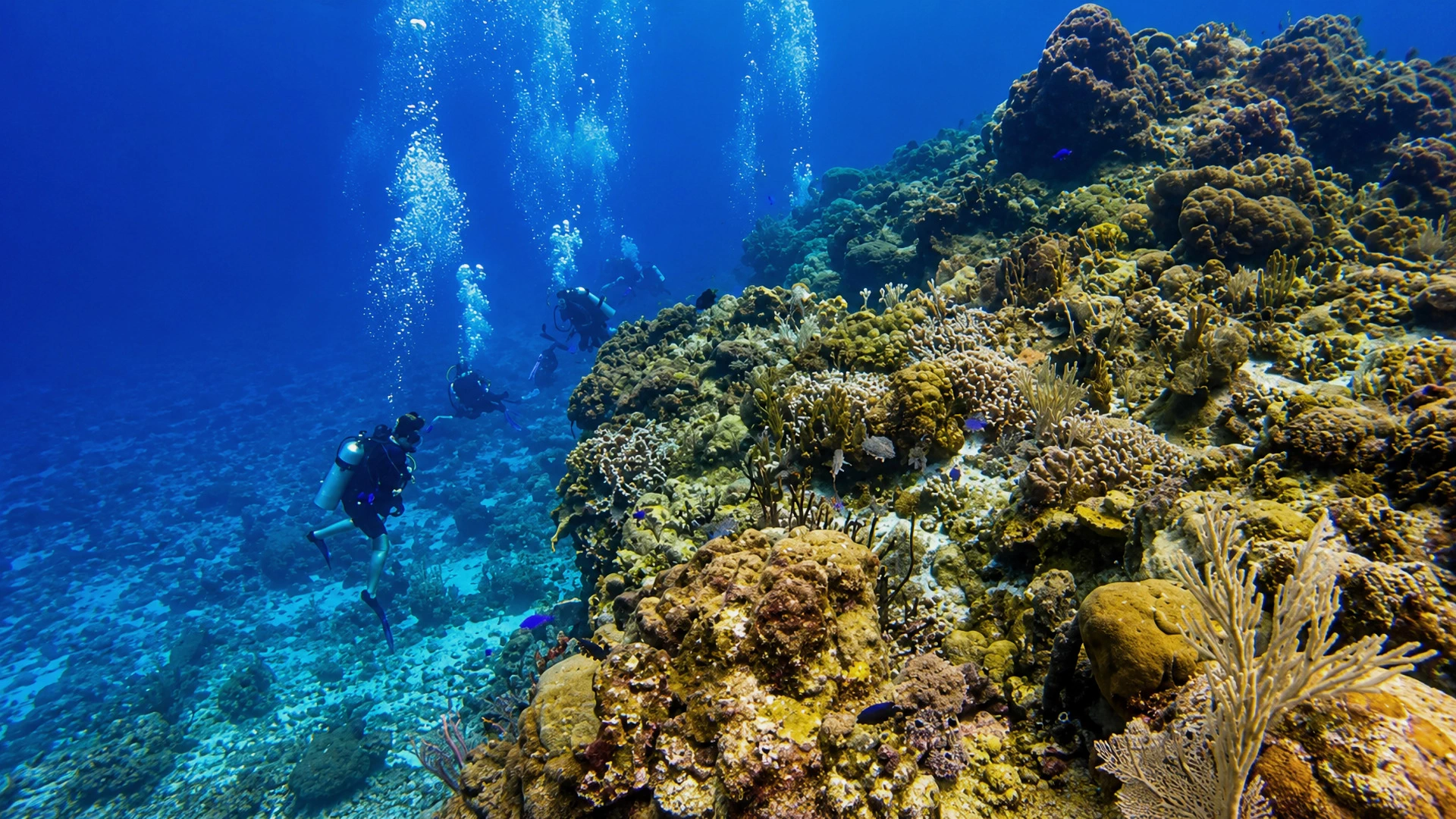
Francesa Reef
Francesa combines sandy channels with coral structure and is well suited to divers who want a varied but generally manageable drift.
- Difficulty
- Beginner to Intermediate
- Typical depth
- 30-70 ft / 9-21 m
- Current
- Usually mild to moderate
- Visibility
- Good to excellent
- Reef type
- Coral ridges, sandy lanes and reef slopes
- Known for
- Variety, manageable drift and colorful reef life
- Common marine life
- Turtles, groupers, morays, nurse sharks and tropical fish
- Best suited for
- Divers of mixed experience and underwater photographers.
- Usual reef-rest period
- Typically resting in February and March under the published 2026 rotation - verify before diving.
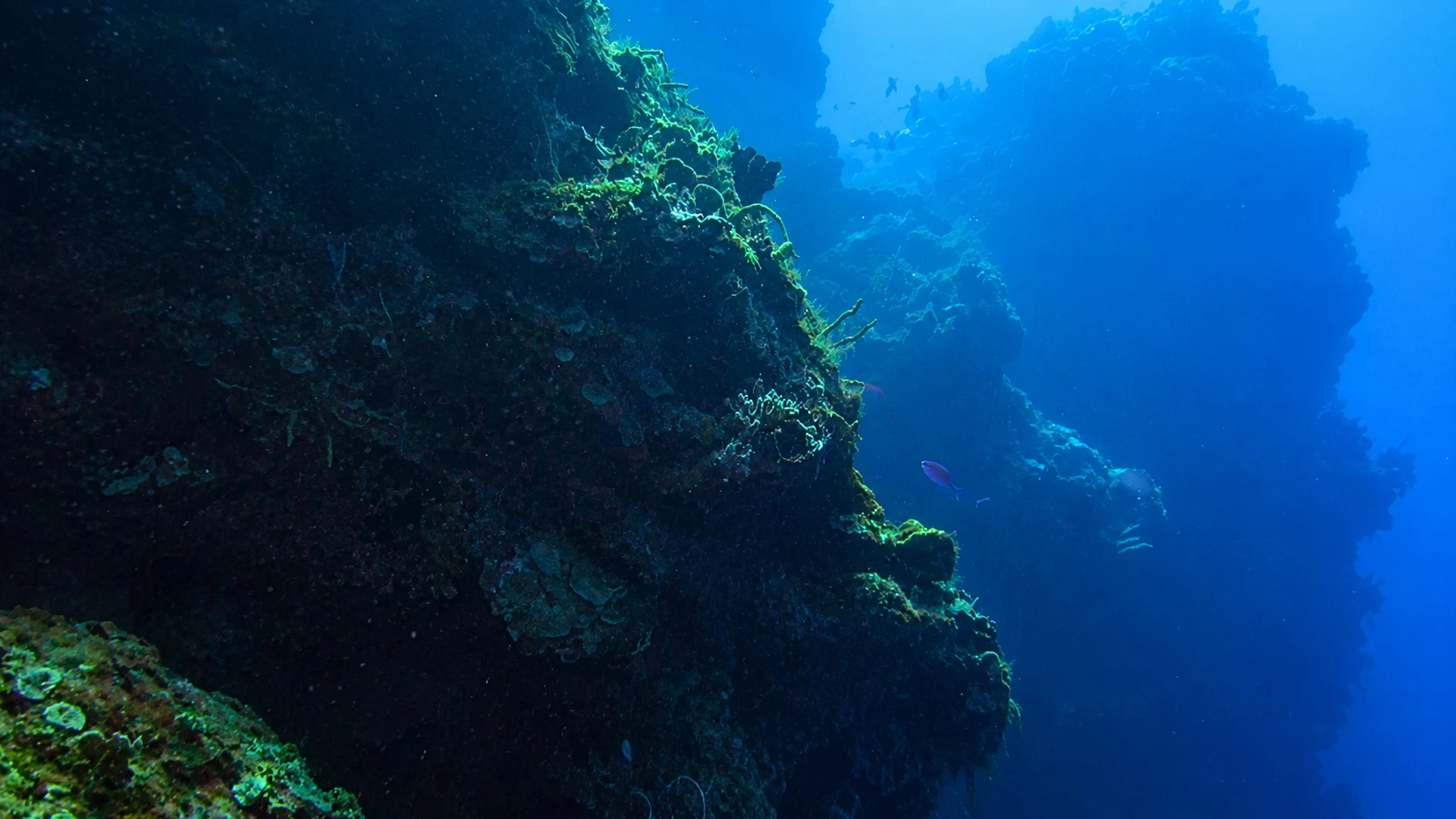
Maracaibo Reef
Maracaibo is a deep southern site with an exposed, adventurous character. It demands excellent buoyancy, gas awareness, current experience and a conservative plan.
- Difficulty
- Advanced only
- Typical depth
- 80-130+ ft / 24-40+ m
- Current
- Can be strong and variable
- Visibility
- Often excellent
- Reef type
- Southern deep wall and open-water drift
- Known for
- Remote feeling, steep wall and pelagic possibilities
- Common marine life
- Sharks, rays, large groupers, turtles and pelagic fish
- Best suited for
- Advanced divers with strong drift and deep-diving skills.
- Usual reef-rest period
- No regular rest period listed in the published 2026 rotation - verify locally.
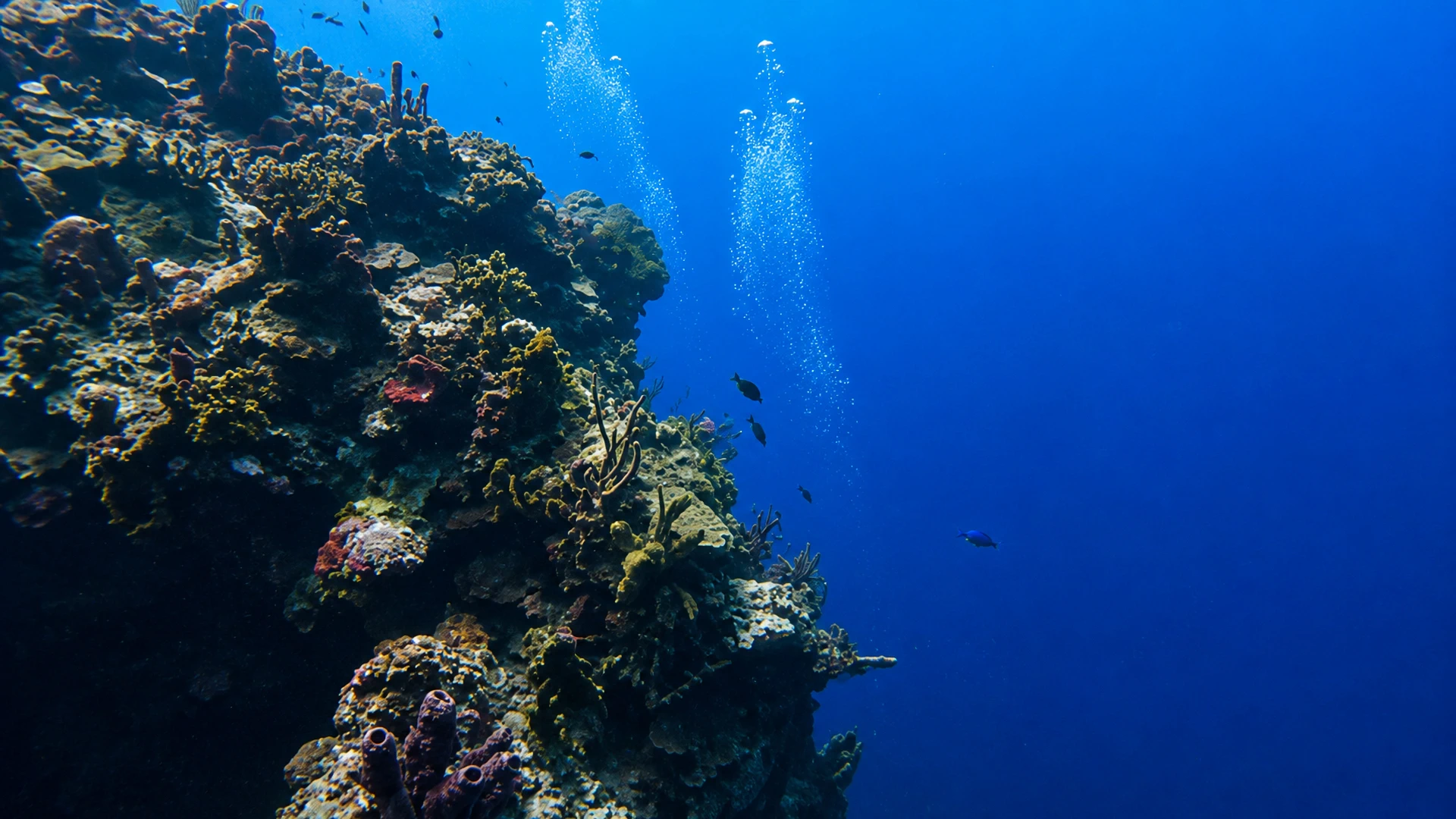
Palancar Bricks
Palancar Bricks combines the grand architecture of Palancar with sandy slopes and open blue water. Routes can be adjusted for depth and diver experience.
- Difficulty
- Intermediate to Advanced
- Typical depth
- 50-100 ft / 15-30 m
- Current
- Usually mild to moderate, occasionally stronger
- Visibility
- Often excellent
- Reef type
- Large coral towers, wall edge and sandy slopes
- Known for
- Tall formations and sweeping blue-water views
- Common marine life
- Turtles, rays, groupers, sharks and reef fish
- Best suited for
- Intermediate and advanced divers who enjoy wide-angle scenery.
- Usual reef-rest period
- Typically resting in August and September under the published 2026 rotation - verify before diving.
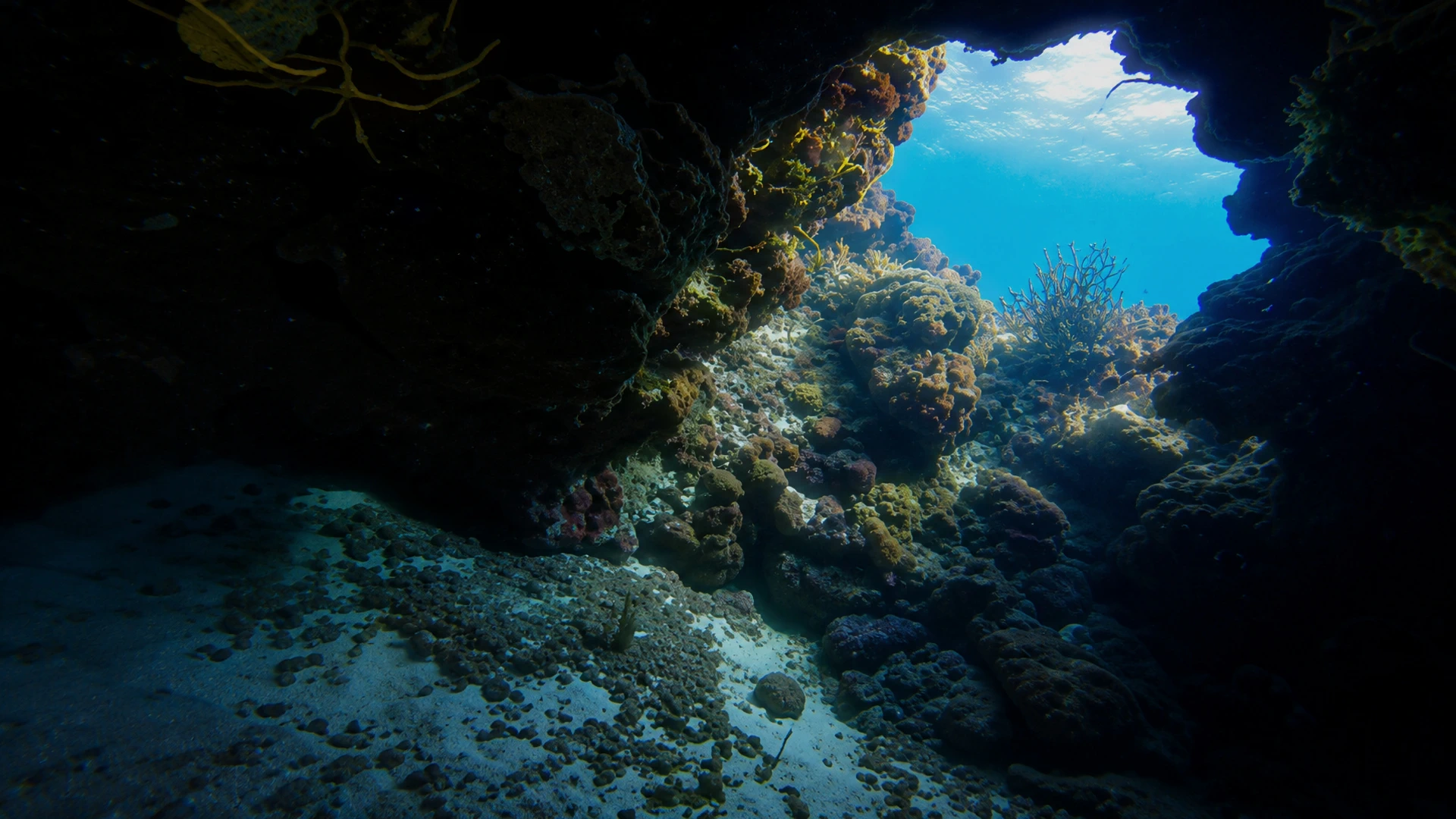
Palancar Caves
Palancar Caves is famous for routes between and through towering coral structures. Many passages are broad and open, but divers still need calm buoyancy and comfort near overhead features.
- Difficulty
- Intermediate to Advanced
- Typical depth
- 50-100 ft / 15-30 m
- Current
- Usually mild to moderate
- Visibility
- Often excellent
- Reef type
- Massive coral formations, tunnels and swim-throughs
- Known for
- Classic Cozumel swim-through diving
- Common marine life
- Turtles, nurse sharks, groupers, rays and reef fish
- Best suited for
- Confident divers who enjoy formations and guided swim-through routes.
- Usual reef-rest period
- Typically resting in August and September under the published 2026 rotation - verify before diving.
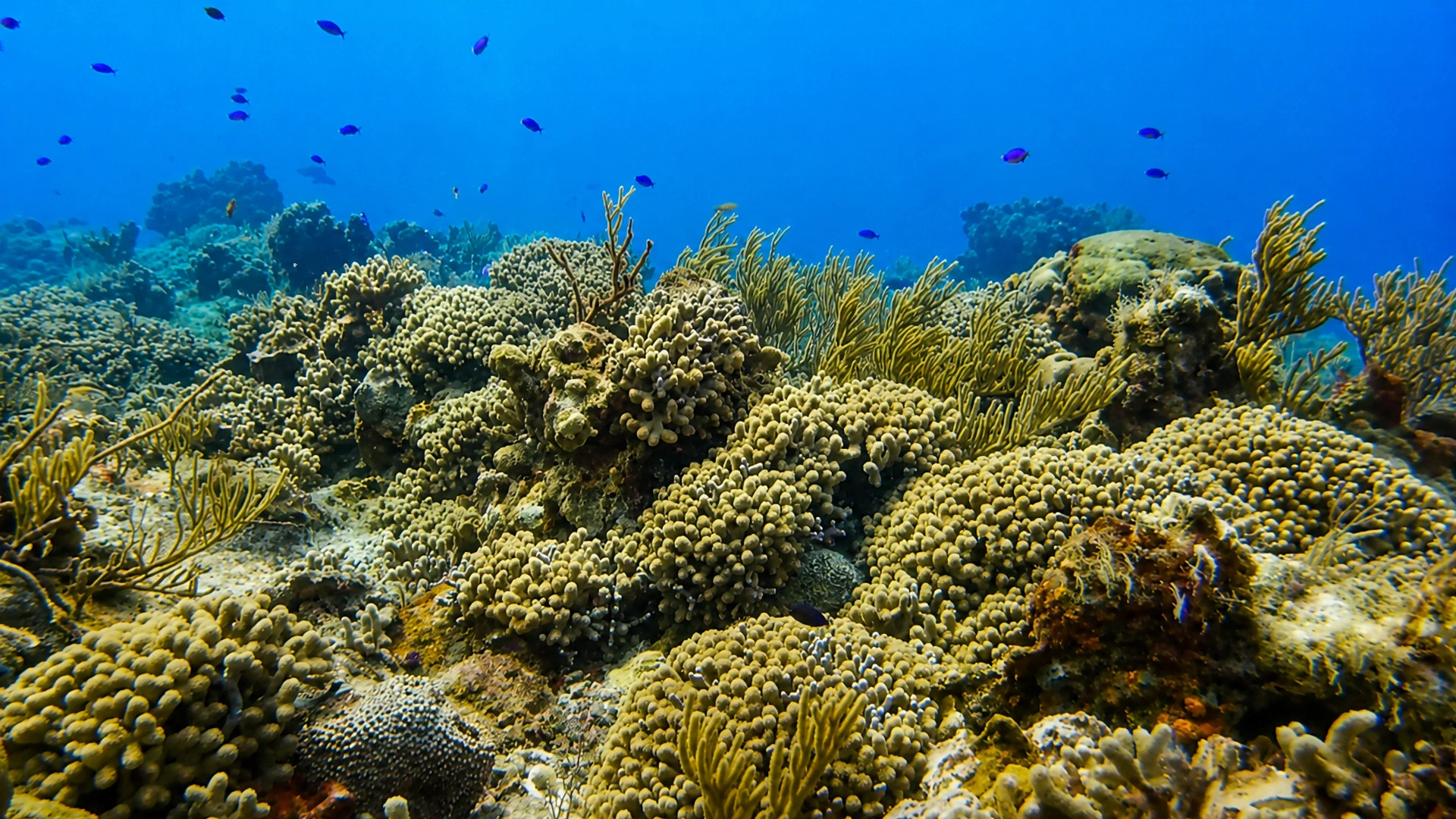
Palancar Gardens
Palancar Gardens offers much of Palancar's beauty with flexible routes and generally manageable conditions. Divers can enjoy the tops of formations, sandy lanes or deeper edges depending on certification and comfort.
- Difficulty
- Beginner to Intermediate
- Typical depth
- 35-80 ft / 11-24 m
- Current
- Usually mild
- Visibility
- Often excellent
- Reef type
- Coral gardens, towers, channels and optional swim-throughs
- Known for
- A gentle introduction to Palancar scenery
- Common marine life
- Turtles, rays, groupers, angelfish and seasonal eagle rays
- Best suited for
- A wide range of divers, including those experiencing a Cozumel wall system for the first time.
- Usual reef-rest period
- Typically resting in April and May under the published 2026 rotation - verify before diving.
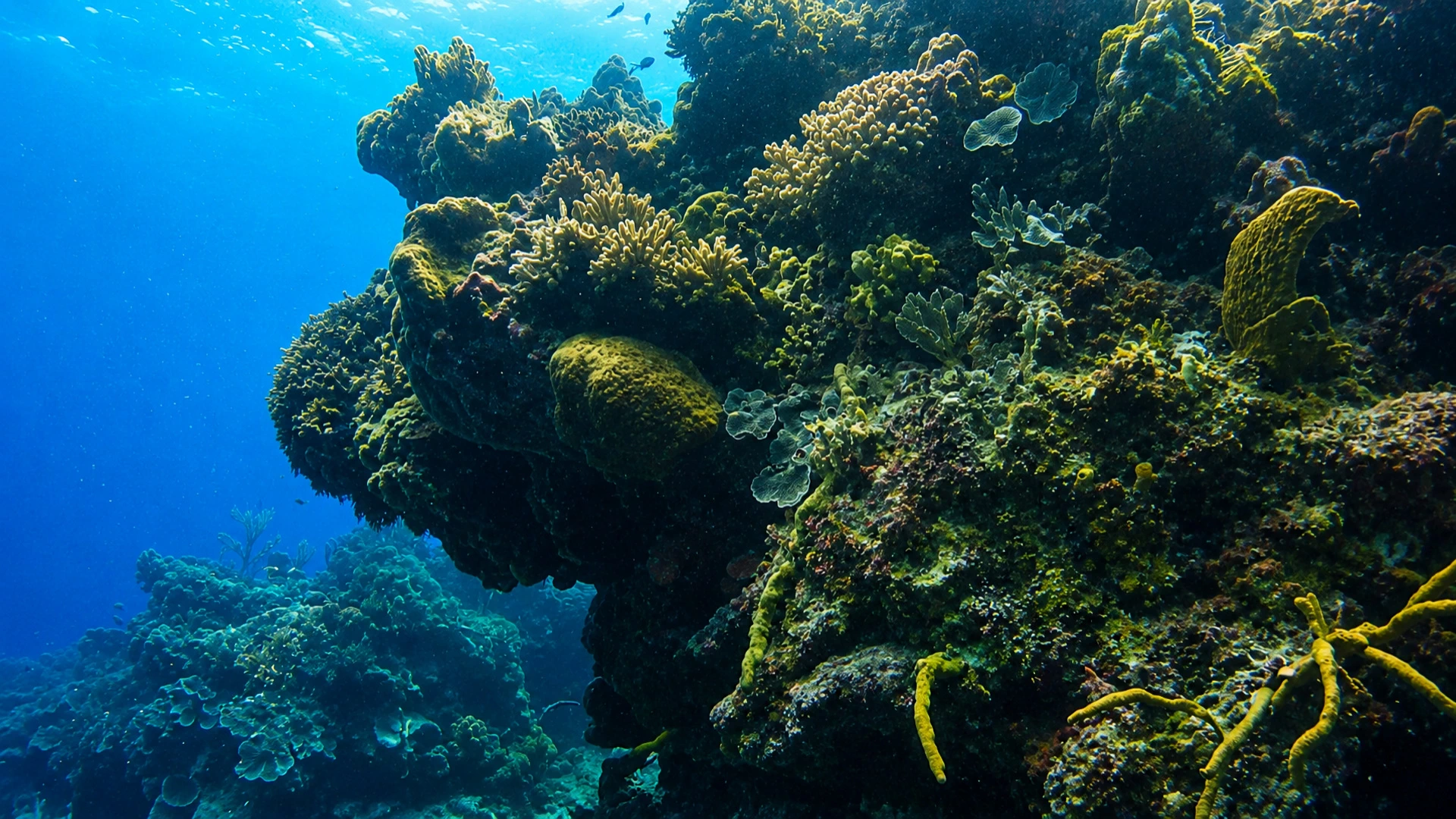
Palancar Horseshoe
Palancar Horseshoe is named for the curved arrangement of its formations. The site can feel like drifting through a natural amphitheater carved into the reef.
- Difficulty
- Intermediate
- Typical depth
- 50-90 ft / 15-27 m
- Current
- Usually mild to moderate
- Visibility
- Often excellent
- Reef type
- Horseshoe-shaped coral amphitheater and swim-throughs
- Known for
- Large formations and dramatic underwater architecture
- Common marine life
- Turtles, barracuda, groupers, rays and reef fish
- Best suited for
- Intermediate divers comfortable with depth and guided passages.
- Usual reef-rest period
- Typically resting in April and May under the published 2026 rotation - verify before diving.
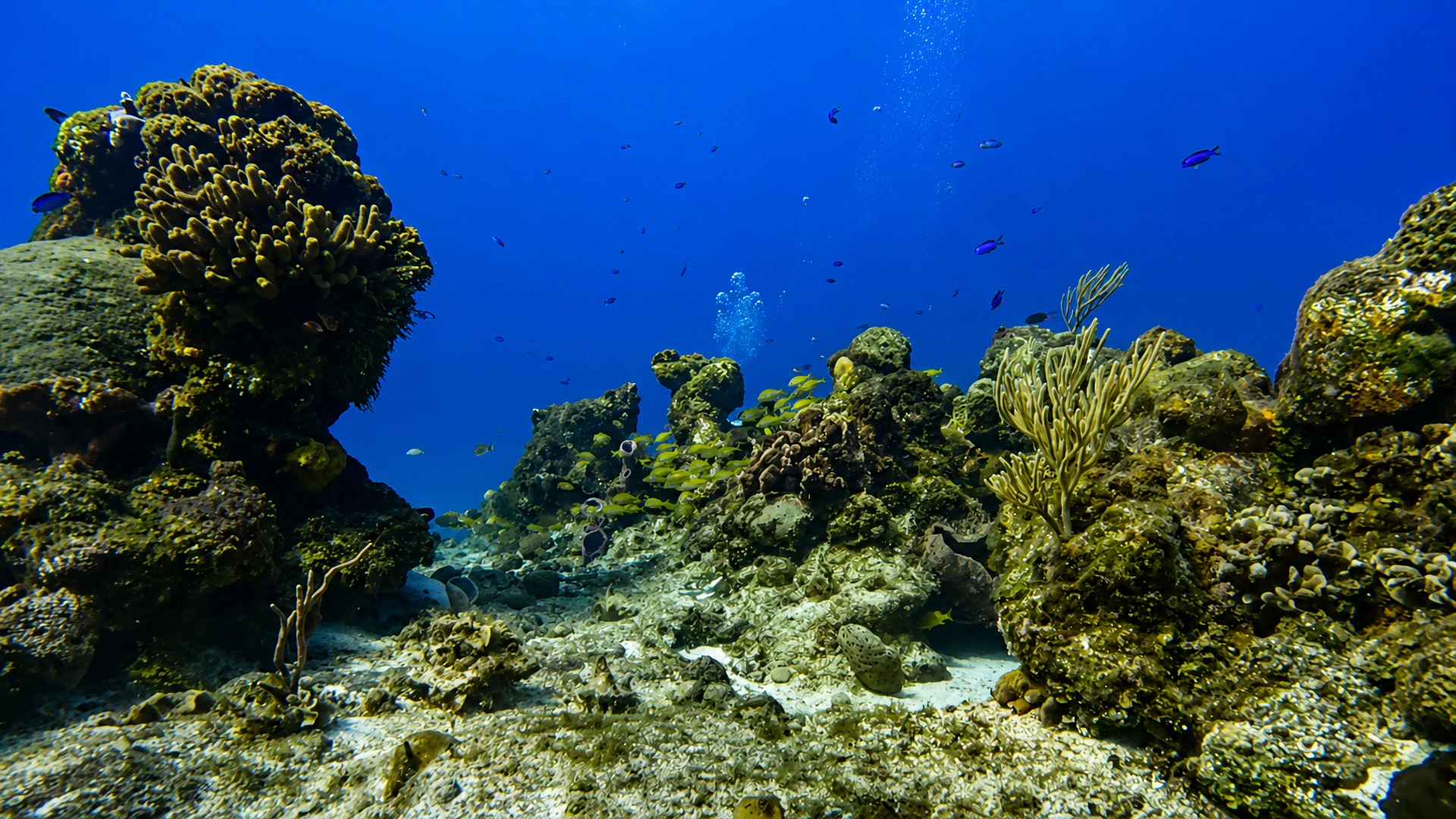
Paradise Reef
Paradise Reef is one of Cozumel's most versatile shallow sites. By day it supports training and easy reef exploration; after dark, many hidden animals become active.
- Difficulty
- Beginner to Intermediate
- Typical depth
- 20-50 ft / 6-15 m
- Current
- Usually mild to moderate
- Visibility
- Good to very good
- Reef type
- Shallow reef ridges and sand; popular night-dive area
- Known for
- Training, easy reef dives and night life
- Common marine life
- Octopuses, lobsters, crabs, morays, rays and tropical fish
- Best suited for
- Beginners, refresher dives, macro photographers and night divers.
- Usual reef-rest period
- Typically resting in June and July under the published 2026 rotation - verify before diving.
Paso del Cedral
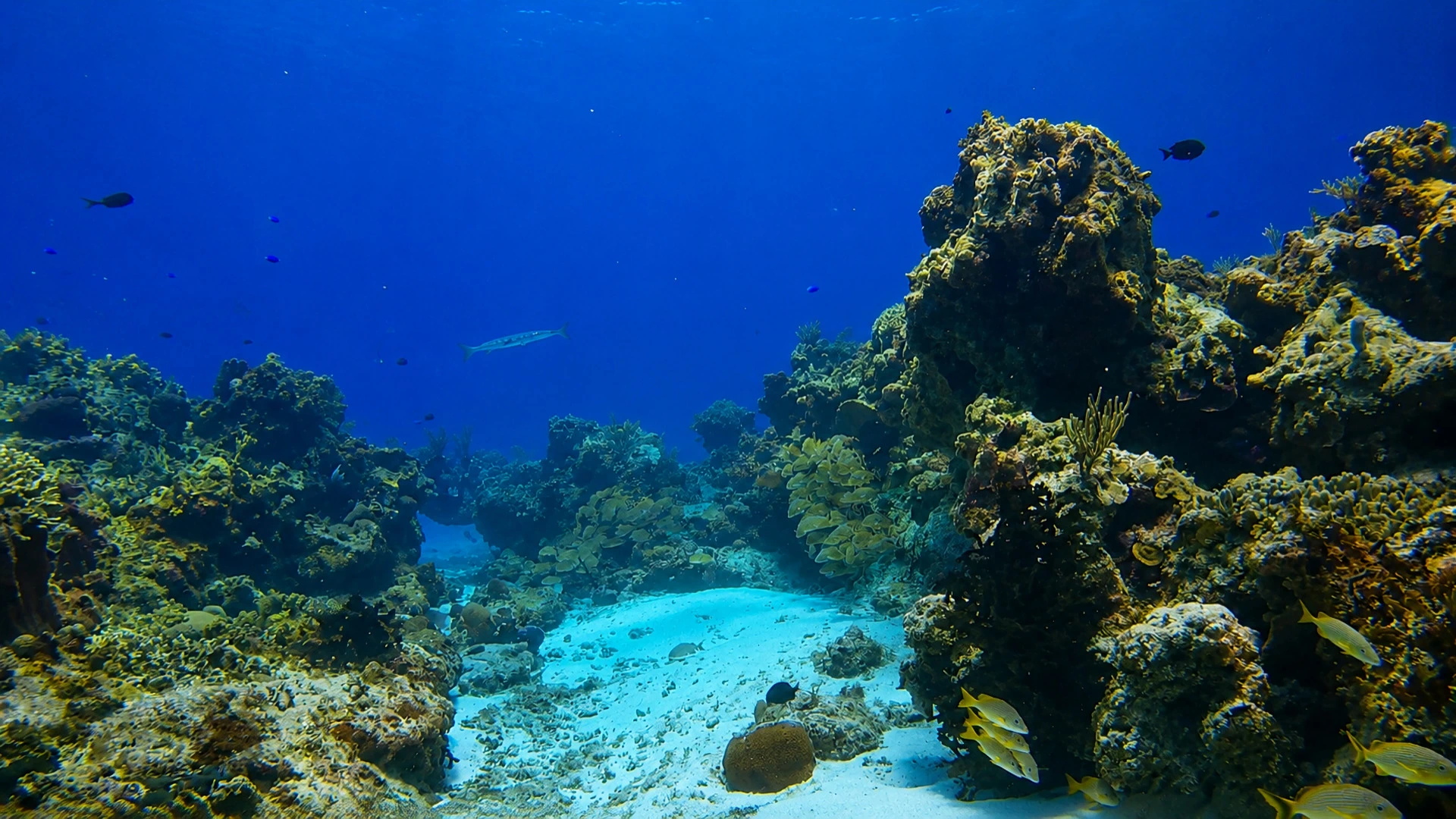
Paso del Cedral is one of Cozumel's most reliable all-around wildlife dives. The reef is active, varied and full of ledges, but the current can accelerate or swirl around the formations.
- Difficulty
- Intermediate
- Typical depth
- 30-65 ft / 9-20 m
- Current
- Moderate and sometimes turbulent or strong
- Visibility
- Good to excellent
- Reef type
- Coral ridges, channels, ledges and lively drift
- Known for
- Exceptional variety and frequent large-animal encounters
- Common marine life
- Turtles, nurse sharks, large groupers, green morays, schools of fish and Splendid Toadfish
- Best suited for
- Intermediate divers who enjoy marine-life variety and active drift diving.
- Usual reef-rest period
- Typically resting in February and March under the published 2026 rotation, together with Cedral areas - verify before diving.
Punta Sur and Devil's Throat
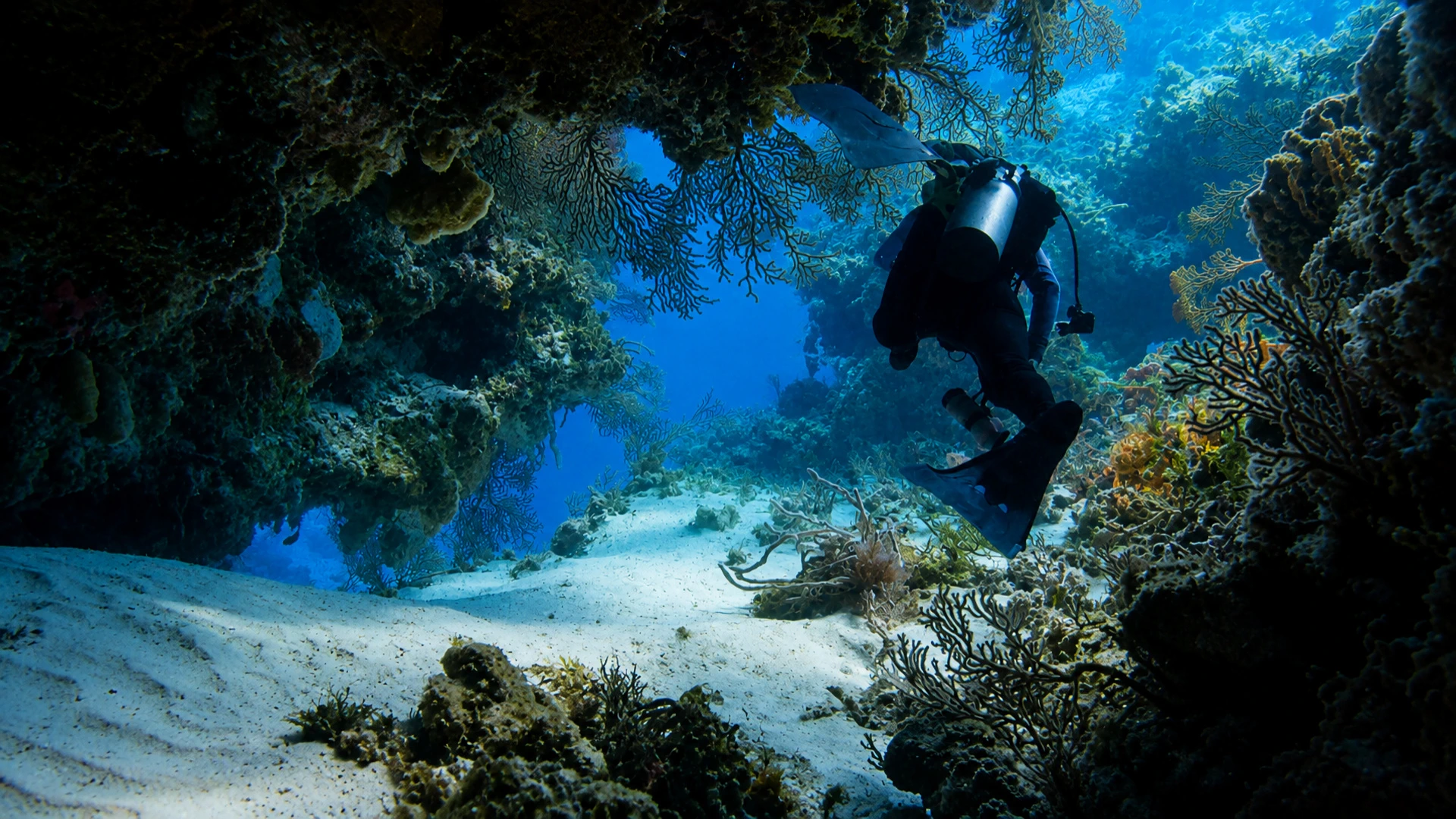
Punta Sur includes deep formations and the famous Devil's Throat route. It is an advanced dive where depth, overhead environment, gas supply and no-decompression time require constant attention.
- Difficulty
- Advanced only
- Typical depth
- 70-130+ ft / 21-40+ m
- Current
- Variable; depth and route are the primary challenges
- Visibility
- Often excellent
- Reef type
- Deep wall, caverns and advanced swim-through routes
- Known for
- The Devil's Throat passage and dramatic southern reef architecture
- Common marine life
- Sharks, turtles, rays, large groupers and pelagic fish
- Best suited for
- Experienced advanced divers who are comfortable with deep guided swim-throughs.
- Usual reef-rest period
- No regular rest period listed in the published 2026 rotation - verify locally.
Punta Tunich
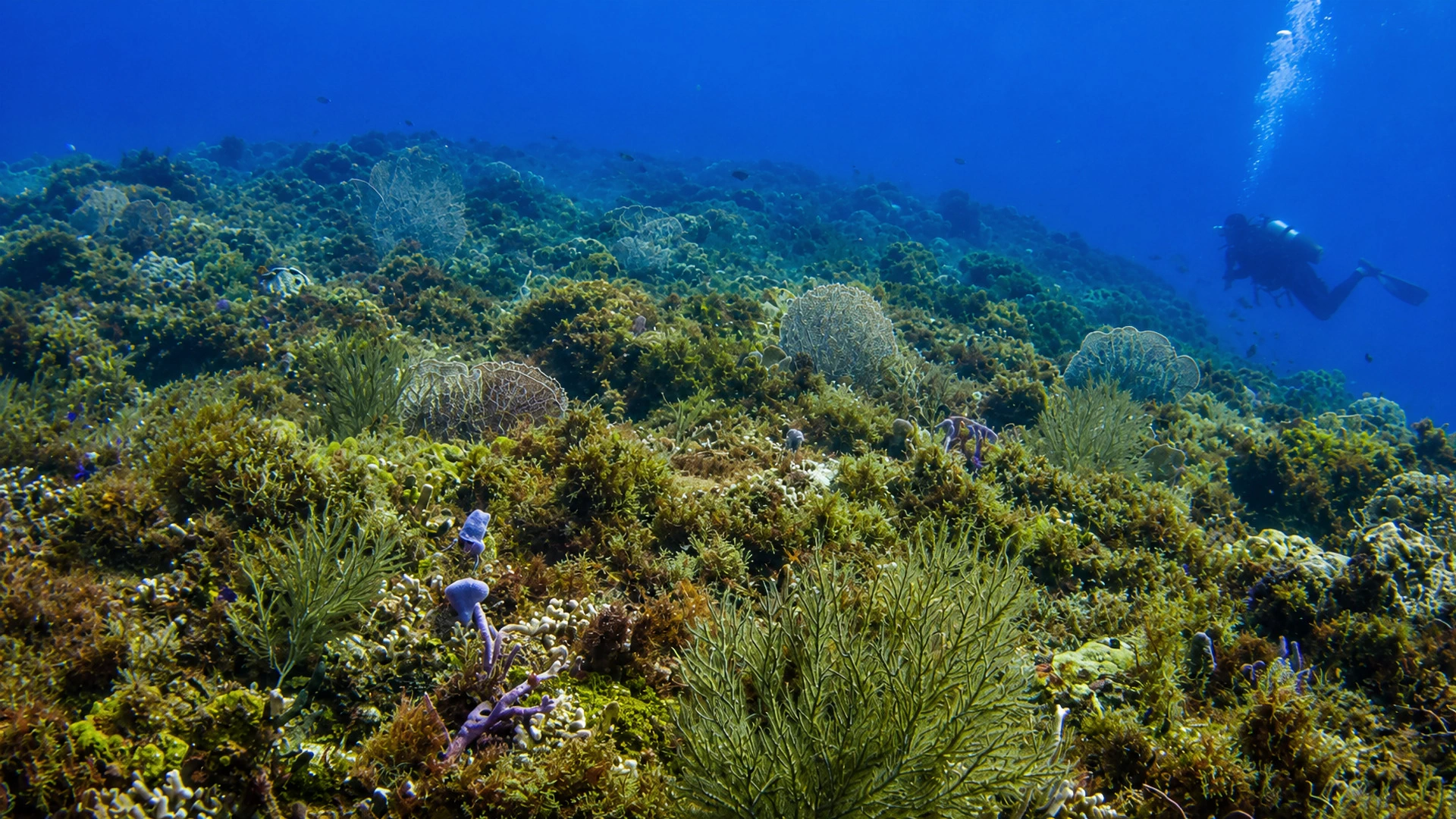
Punta Tunich can deliver one of Cozumel's faster classic drift dives. The challenge is not extreme depth but maintaining awareness, buoyancy and group contact while the reef moves quickly below.
- Difficulty
- Intermediate to Advanced
- Typical depth
- 40-90 ft / 12-27 m
- Current
- Frequently strong and fast
- Visibility
- Good to excellent
- Reef type
- Fast drift over reef ridges and wall edge
- Known for
- Speed, marine life and an exciting Cozumel drift
- Common marine life
- Turtles, barracuda, groupers, rays and schooling fish
- Best suited for
- Confident drift divers who enjoy current.
- Usual reef-rest period
- No regular rest period listed in the published 2026 rotation - verify locally.
San Francisco Reef
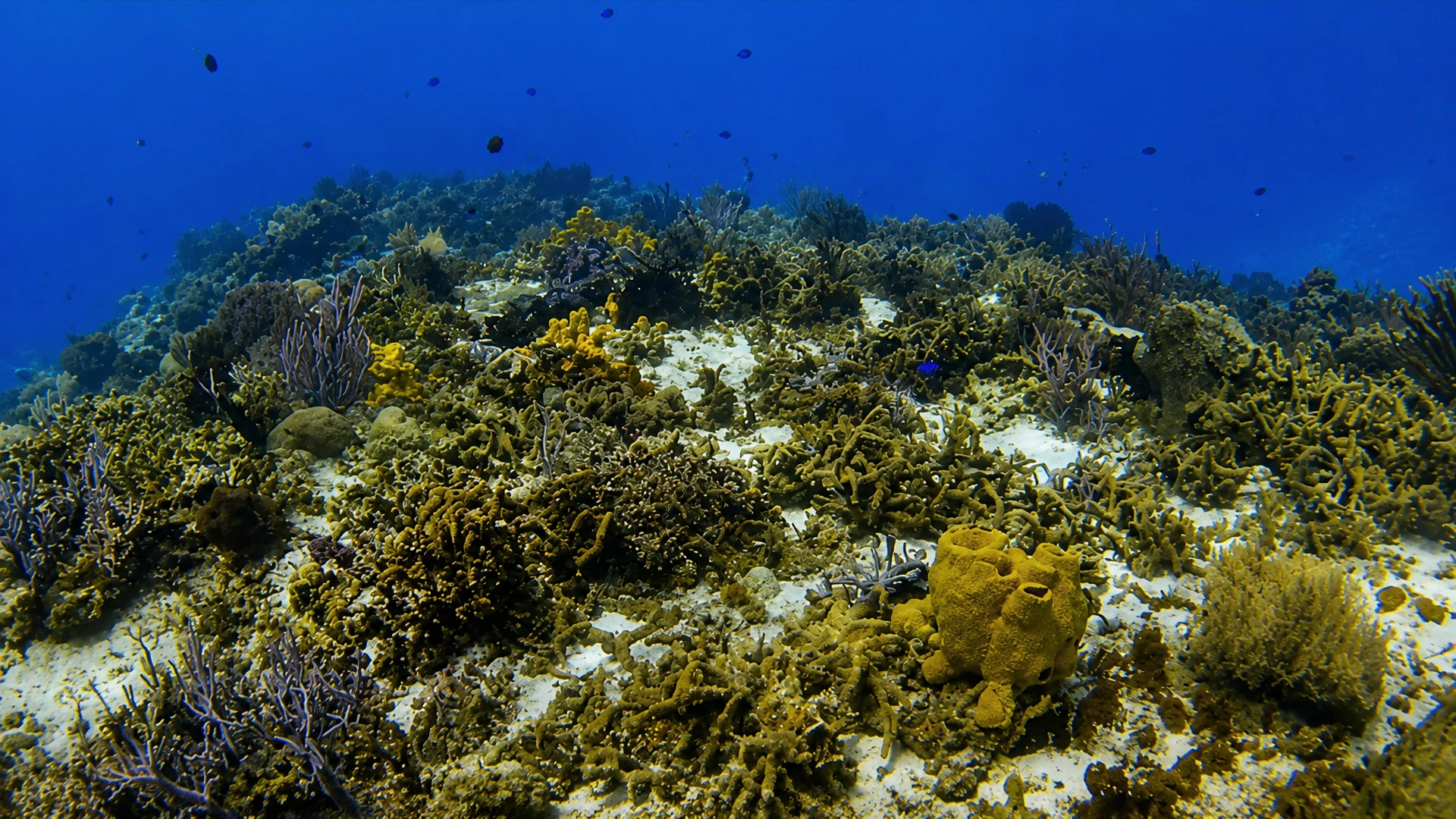
San Francisco offers a sloping wall with enough depth variation to suit different profiles. The reef top and edge can both be productive for marine life.
- Difficulty
- Intermediate
- Typical depth
- 35-90 ft / 11-27 m
- Current
- Moderate and sometimes strong
- Visibility
- Good to excellent
- Reef type
- Sloping wall, reef ledge and sandy top
- Known for
- Colorful wall scenery and an enjoyable drift
- Common marine life
- Turtles, rays, groupers, morays and schools of fish
- Best suited for
- Intermediate divers who enjoy wall scenery without the deepest Palancar routes.
- Usual reef-rest period
- Typically resting in October and November under the published 2026 rotation - verify before diving.
Santa Rosa Wall
Santa Rosa is one of Cozumel's signature walls. The drop-off, overhangs and passages can be spectacular, but current and depth make good buoyancy and awareness essential.
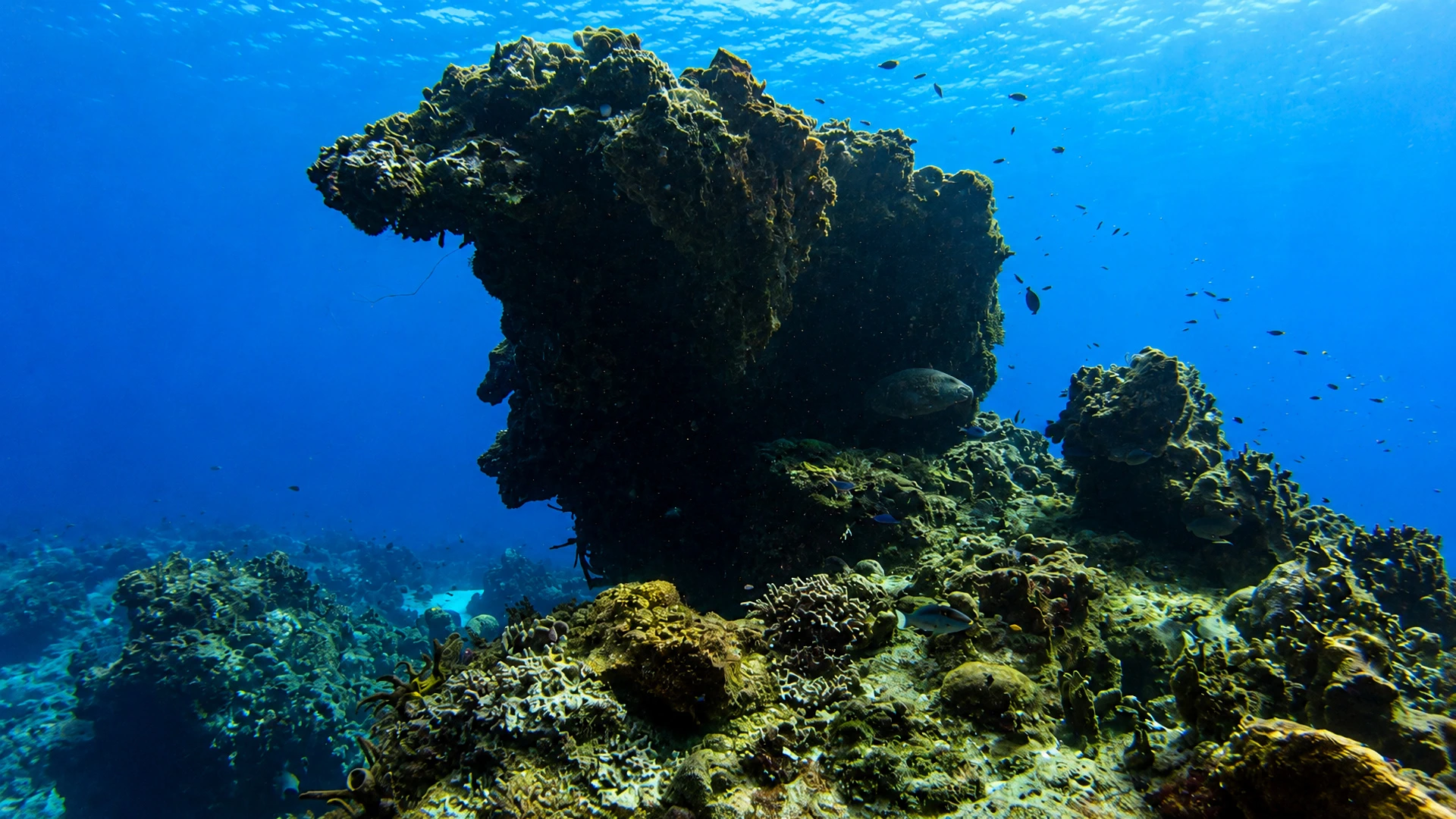
- Difficulty
- Intermediate to Advanced
- Typical depth
- 50-100+ ft / 15-30+ m
- Current
- Moderate to strong and occasionally unpredictable
- Visibility
- Often excellent
- Reef type
- Steep wall, coral overhangs and swim-throughs
- Known for
- Classic Cozumel wall diving
- Common marine life
- Turtles, eagle rays, groupers, sharks, barracuda and reef fish
- Best suited for
- Intermediate and advanced divers comfortable beside a deep wall.
- Usual reef-rest period
- Typically resting in October and November under the published 2026 rotation - verify before diving.
Tormentos Reef
Tormentos is a lively mid-depth reef with strong marine-life potential. Current can make the dive feel energetic, especially as water moves around the coral ridges.
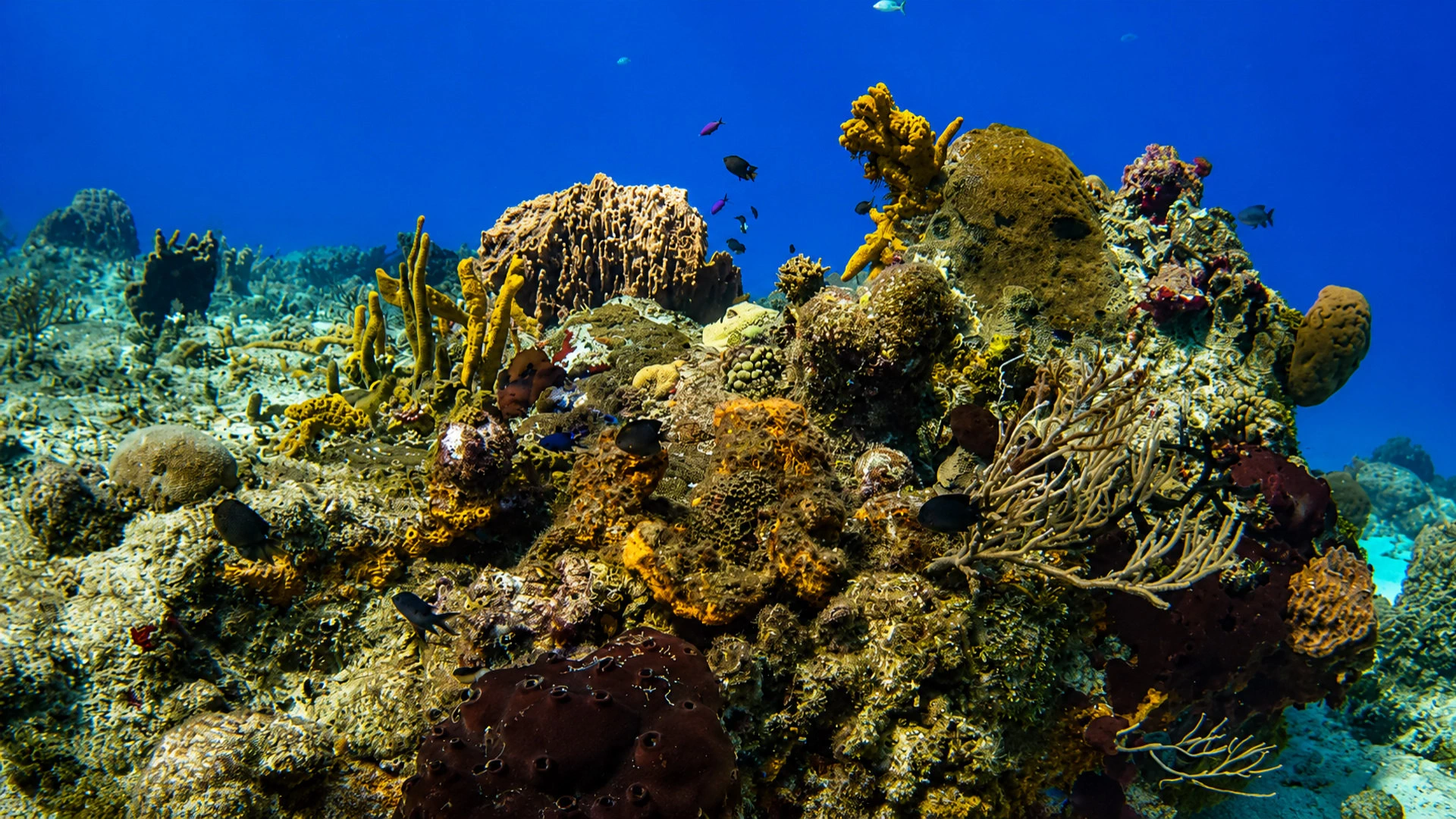
- Difficulty
- Intermediate
- Typical depth
- 40-70 ft / 12-21 m
- Current
- Moderate and sometimes strong
- Visibility
- Good to excellent
- Reef type
- Coral ridges, sandy channels and active drift
- Known for
- Dense fish life and varied reef terrain
- Common marine life
- Turtles, morays, nurse sharks, groupers, barracuda and schools of grunts
- Best suited for
- Intermediate divers and photographers comfortable working in current.
- Usual reef-rest period
- No regular rest period listed in the published 2026 rotation - verify locally.
Villa Blanca Wall
Villa Blanca is close to town and can be used for a range of dive plans. The sloping wall and sponge growth make it more interesting than its convenient location might suggest.
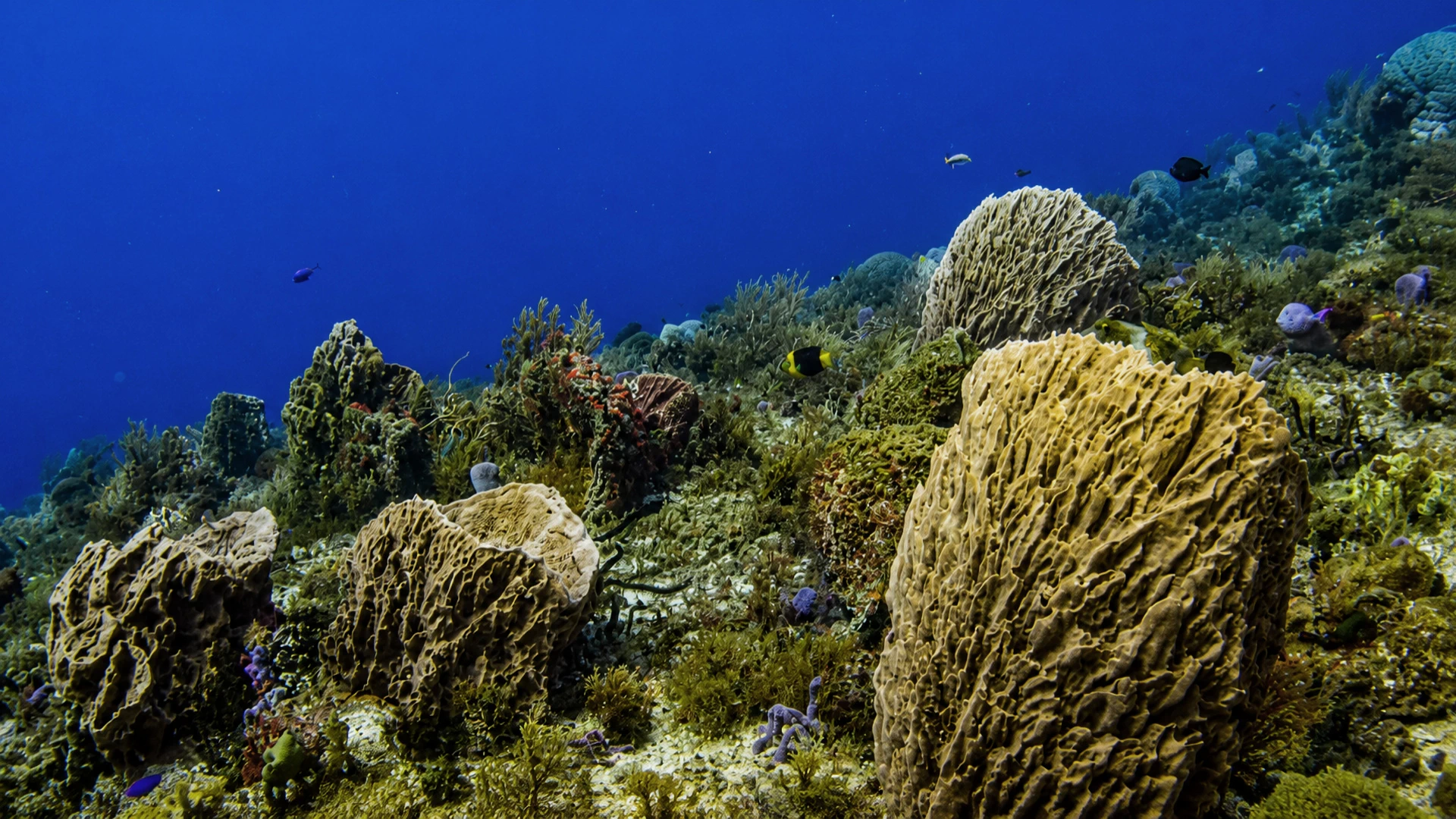
- Difficulty
- Beginner to Intermediate
- Typical depth
- 25-70 ft / 8-21 m
- Current
- Mild to moderate, occasionally faster
- Visibility
- Good to very good
- Reef type
- Sloping wall near town with sponges and coral growth
- Known for
- Convenient location, training and afternoon dives
- Common marine life
- Angelfish, morays, crustaceans, reef fish and macro subjects
- Best suited for
- Check dives, training, afternoon diving and mixed-experience groups.
- Usual reef-rest period
- No regular rest period listed in the published 2026 rotation - verify locally.
Yucab Reef
Yucab is a long, productive reef that supports a wide variety of fish. Its moderate depth often allows a generous bottom time while divers drift over repeated coral heads and channels.
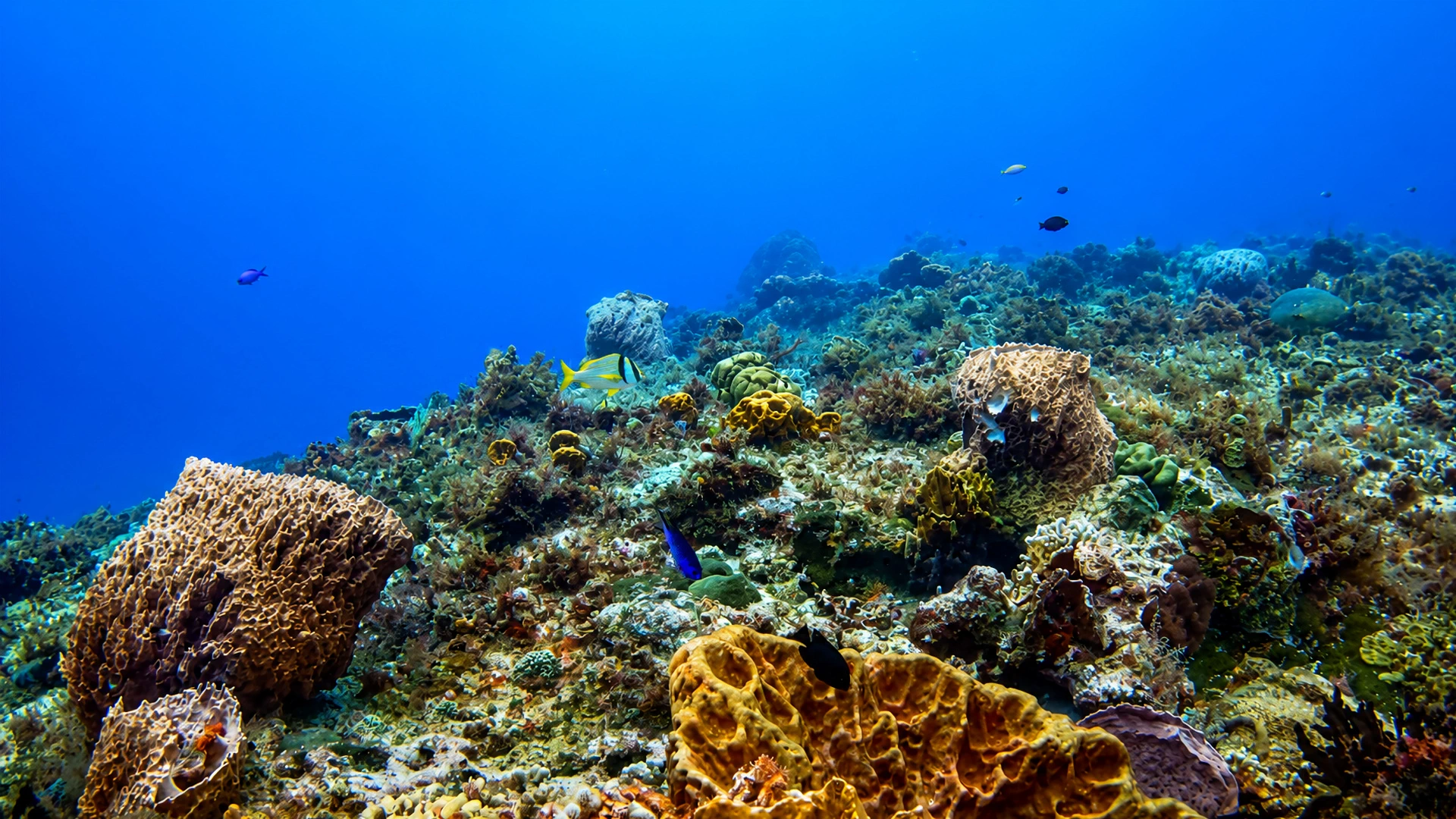
- Difficulty
- Beginner to Intermediate
- Typical depth
- 40-65 ft / 12-20 m
- Current
- Mild to moderate, sometimes faster
- Visibility
- Good to excellent
- Reef type
- Long low-profile reef with coral heads and channels
- Known for
- Abundant fish life and a classic second dive
- Common marine life
- Turtles, morays, groupers, trunkfish, cowfish and schools of fish
- Best suited for
- Beginner and intermediate divers who enjoy long marine-life-focused dives.
- Usual reef-rest period
- No regular rest period listed in the published 2026 rotation - verify locally.
Questions divers often ask
Click a question to open the answer.
Are Cozumel currents always strong?
No. Current strength varies by site, route, weather and day. Some reefs are commonly gentle, while northern and exposed sites may be fast or unpredictable. Your operator should choose sites that match the group.
How accurate are the depth ranges?
They are typical planning ranges rather than fixed limits. Many reefs can be explored at several depths, and the actual profile depends on certification, conditions, route and the guide's plan.
Can beginners dive Palancar?
Some Palancar routes, especially shallower portions of Palancar Gardens, may suit newer divers in appropriate conditions. Deeper passages and more complex routes require greater comfort and experience.
Why are some reefs closed for rest periods?
Reducing visitor pressure gives selected reef areas periods with less contact, fin wash, boat activity and general disturbance. The closures form part of local conservation management.
How do I confirm which reefs are currently open?
Ask your dive operator shortly before the dive and check current information from the Parque Nacional Arrecifes de Cozumel. Published calendars can be revised.
Which site is best for seeing a particular animal?
Wildlife is never guaranteed. The site entries identify commonly reported animals, but season, time, current and chance all matter. A knowledgeable local guide is the best source for recent sightings.
Who do you dive with in Cozumel?
I’m often asked who I dive with when I’m in Cozumel. These are three local dive operators I personally use and enjoy diving with. They are listed alphabetically and are not paid for recommendations.